
NATO is one of the most influential organisations in global politics, yet its role is often misunderstood.
This article explains how the alliance was formed, how it has evolved, and why its decisions continue to shape international security in the twenty-first century.

The UK Parliament is the centre of British democracy, yet many people are unsure how it actually works.
This article explains how Parliament is structured, how laws are made, and how it holds the government to account on behalf of the public.

Left-wing and right-wing politics are among the most common terms in political debate, yet their meanings are often misunderstood.
This article explains the origins of the political spectrum, the key differences between left- and right-wing ideologies, and how these ideas continue to shape politics today.

A new Prime Minister brings a new team and often a new direction.
This article explores Andy Burnham's first Cabinet, the key ministers shaping government policy, and what their appointments could mean for Britain's future.

Populism is one of the most influential yet contested forces in modern politics.
This article explains what populism means, the ideas behind it, how it can emerge on both the left and right, and why its relationship with democracy continues to shape political debate around the world.

What exactly is a joke candidate, and why do they stand for election?
This article explores the role of satire and unconventional candidates in UK politics, from Count Binface to H'Angus the Monkey, and considers what they can reveal about political participation, protest and Britain's electoral system.

What makes the relationship between the United Kingdom and the United States “special”?
This article explores the partnership’s foundations in defence, intelligence, trade and diplomacy, while examining areas of disagreement, the balance of power between the two countries, and whether the Special Relationship remains significant in today’s changing international order.

What is First-Past-The-Post, and how does it shape UK elections?
This article explores how FPTP works, its key advantages and criticisms, and the continuing debate over whether the UK should move towards a more proportional electoral system.

What is Realpolitik, and why do governments sometimes prioritise national interests over moral or ideological principles?
This article explores the meaning of Realpolitik, its relationship with political realism, and how examples from US-China relations and the 1953 Iranian coup illustrate the debate between pragmatism, power and morality in international politics.

What was the Windrush scandal, and why does it remain significant in Britain today?
This article explores the history of the Windrush generation, the immigration policies that led to the scandal, and the government's response. It also examines the lasting consequences for affected communities and the wider debates surrounding citizenship, racial equality and government accountability.

How did the 1987 general election transform Black political representation in Britain?
This article explores the historic election of Diane Abbott, Bernie Grant and Paul Boateng, the first three Black MPs of the modern parliamentary era. Examining the history of Black political activism, their individual contributions and the development of parliamentary diversity, it considers whether greater representation necessarily leads to greater political influence.
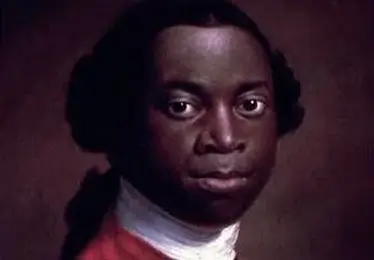
Who was Olaudah Equiano, and how did his experiences help shape Britain's abolitionist movement?
This article explores the life of Olaudah Equiano, from his experiences of enslavement and eventual freedom to his influential autobiography, The Interesting Narrative. It examines his political activism, involvement with the Sons of Africa and contributions to the campaign against the transatlantic slave trade, highlighting his lasting significance in Black British history.

Following Luiz Inácio Lula da Silva's victory in Brazil's 2026 presidential election, this article examines the political, economic and international implications of his re-election.
Exploring Brazil's deep political divisions, economic challenges, environmental policies and electoral controversies, it considers the reactions of international leaders, the continuing influence of the Bolsonaro movement and the challenges Lula faces in shaping Brazil's future.

What is fascism, and when can the term be applied to political leaders, movements or regimes?
This article explores the origins of fascism, its defining characteristics and its relevance to contemporary politics. Drawing on historical examples from Fascist Italy and Nazi Germany, alongside debates surrounding the United States and Israel, it examines the relationship between nationalism, authoritarianism and political power, and why distinguishing fascism from other political ideologies matters today.

What is devolution, and why does the distribution of political power matter in the United Kingdom?
This article explores the origins and development of devolution, how it operates across the UK, and the benefits and challenges of transferring authority away from Westminster.
Drawing on historical developments and Andy Burnham's approach to regional governance, it examines the relationship between local decision-making, political accountability and regional inequality.

What is liberalism, and how has it shaped our understanding of freedom, equality and the role of government?
This article explores the origins and defining principles of liberalism, its development from classical to modern liberal thought, and its influence on political and economic systems.
Drawing on thinkers such as John Locke, John Stuart Mill and John Rawls, it examines competing interpretations of individual liberty, criticisms of liberal ideology and its continuing relevance to contemporary debates about democracy, inequality and political power.